Bullying is a problem that affects children across various age groups and environments, including schools, neighbourhoods, and online platforms.
It manifests in different forms such as physical, verbal, social, and cyberbullying each with its own set of challenges and outcomes. Children involved in bullying can exhibit a wide range of behaviours, whether they are the victims, the bullies, or the bystanders. Understanding these behaviours is crucial for parents who aim to address and mitigate bullying effectively.
According to StopBullying.gov, victims of bullying may show signs of anxiety, depression, and a reluctance to attend school. They might have unexplained injuries, lost or destroyed belongings, and sudden changes in friendships.
Children who bully others often display aggressive behaviour, a need to dominate peers, and a lack of empathy for their victims. They may also show disciplinary problems at school. Bystanders, who witness bullying, can feel powerless, fearful, or guilty, and their response can either make things worse or help stop the bullying.
As a parent, understanding these behaviours is the first step in addressing bullying. By fostering open communication, educating them about the impacts of bullying, and encouraging positive behaviour.
Effective strategies for addressing bullying behaviour with your child as recommended by stopbullying.gov.
Open Communication
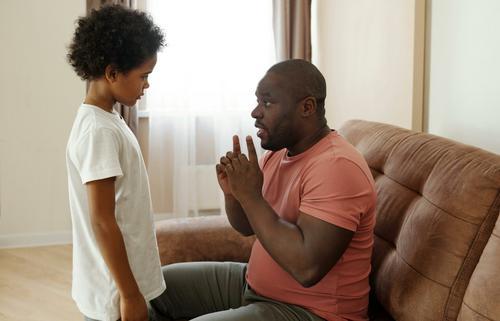
Create a Safe Space: Ensure your child feels safe to talk about their experiences. Listen without judgment or immediate reaction.
Regular Check-ins: Have regular conversations about their day-to-day experiences at school, with friends, and in other social settings.
Education
Define Bullying: Teach your child what bullying is, including the different forms it can take (physical, verbal, social, and cyberbullying).
Psychology Today suggests encouraging positive behaviour, and practice scenarios with your child to help them understand how to respond to bullying, whether they are a victim, a bystander, or an aggressor.
Monitor Online Activity
Supervise Digital Interaction: Keep an eye on your child’s online activity and interactions. Educate them about the potential dangers of cyberbullying and the importance of online manners.
Privacy Settings: Help your child understand and use privacy settings on social media platforms to protect themselves from online bullying.
Seek professional help from a counsellor or therapist who can provide strategies and support for dealing with bullying behaviour.
Also see: What to do when your child gets involved in the wrong crowd